About Me
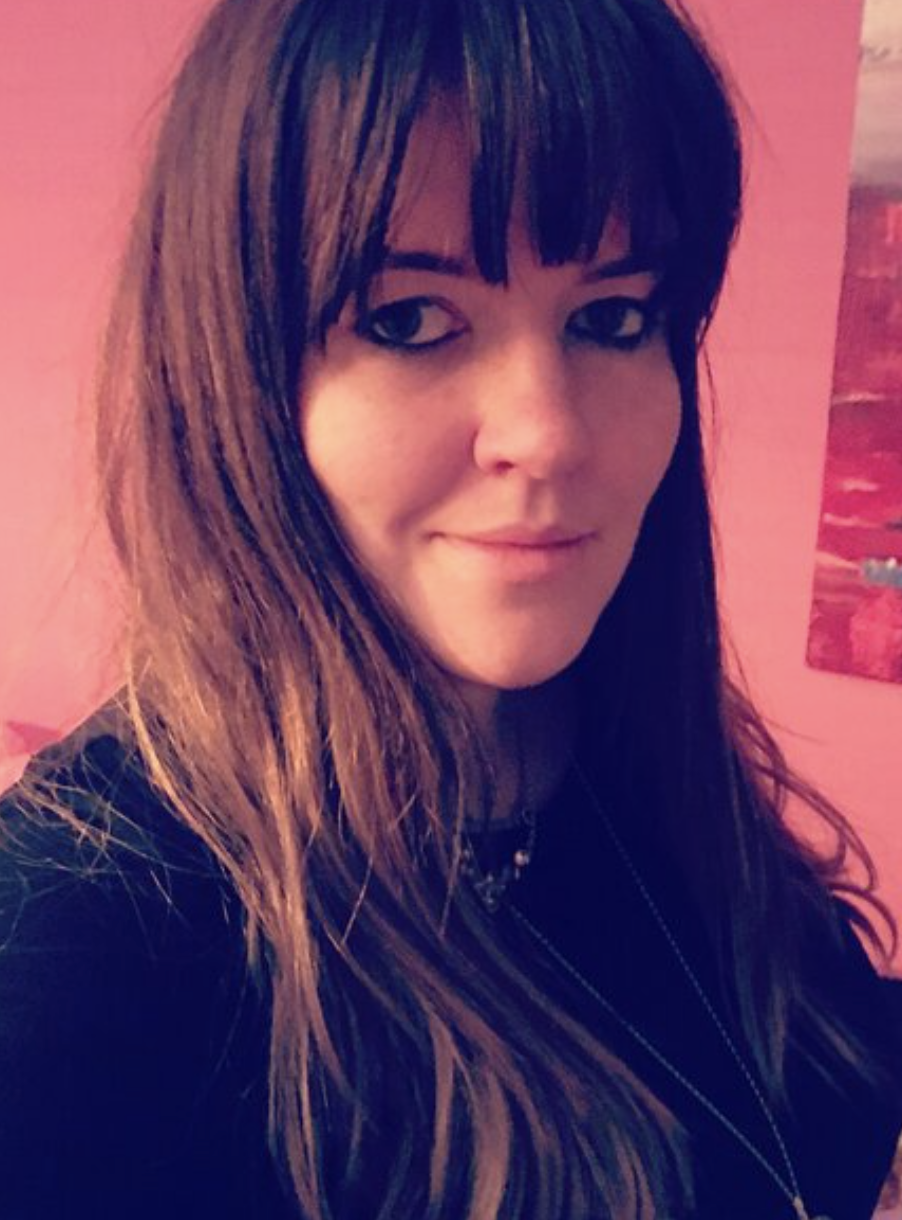
Hi, I’m Elinor.
I’m an autistic, queer, crip/disabled, neurodivergent practitioner, researcher, mentor, crip-doula and art psychotherapist. My goal is to create a relaxed, warm, and welcoming digital space where you can gently untangle the things that matter.
People often bring experiences of burnout, identity questions, accessibility needs, barriers at school or work, relationship dynamics, family complexities, mental health challenges, and much more to therapy. Whatever brings you here, we will hold it with tenderness while we find the best ways for you to move forward.
I work with individual adults and couples as well as university students, young people, and families, offering neurodivergent-affirming therapy.
My approach is integrative and relational, encompassing art psychotherapy and person-centred therapy. I bring both professional knowledge and lived experience of the intersecting realities of queer, trans, disabled, and neurodivergent lives. For me, being a neurodivergent practitioner means showing up as a whole person and making space for you to do the same.
For some clients, I might use the power of rituals, oracles, and Jungian principles, facilitating a unique and profound therapeutic journey. We can mix and move between modalities, working with what emerges with you and what you need in each moment.
If this resonates, I’d love to hear from you.
My Therapeutic Approach and Philosophy
Therapy should not be scary or triggering. It is a space for expansion, expression, exploration, storytelling, and realisation. Our sessions should offer you a space for growth, support, care, compassion, magic, and more.
My work is grounded in attunement: to the body, to land and place, and to the subtle sensory rhythms that shape human-environment relationships.
This ecological-somatic orientation informs both my therapeutic work and my artistic research, which are rooted in sensory presence, embodied enquiry, and a deep responsiveness to landscape and the surrounding environment.
Art is one of the main therapeutic tools I use, and I work with a lot of artists and creative professionals, but you do not need to be an artist to access my services.
I do not see myself as an expert. Instead, I offer a space where we can work collaboratively.

Many people already carry within them the answers they seek, though these insights are often hidden, fragmented, or difficult to reach. My role is to help create the conditions where this wisdom can slowly emerge.
My practice is shaped by neurodivergent ways of experiencing the world. This can include neuroqueering expectations around communication, identity, and relational norms. Sometimes experiences feel difficult to name. You might not have clear words for emotions, or language might feel imprecise or slippery. Creative practice, imagery, metaphor, or art can help explore what sits beyond words.
As an anti-ableist psychotherapist, mentor, and practitioner, it is important to me to ensure my services are as accessible as possible. I welcome ways of being that are often excluded from traditional therapy spaces: stimming, moving, silence, nonlinear thinking, or sitting with feelings that are strange, uncanny, or hard to categorise.

My Creative Work
As an artist, a fellow of the Royal Society of Arts, and a PhD candidate, my goal is to transform the structures and systems that have so often failed neurodivergent individuals and communities.
My recent project and experience, Fragments of Perception: An Autistic Odyssey, invited audiences into a sensory encounter with forest and water. This project offered a state and place where autistic people could experience self-discovery, validation, affirmation, and the chance to re-encounter places they have always known and perhaps forgotten, re-remembered, or never let go of.
The work moves through crip time and queer temporalities, where healing is not about “letting go” but about nourishing wounds, understanding them, filling them, and allowing for deep and embodied presence.
For non-autistic clients, work like this often opens up a new kind of sensory noticing and an invitation into textures and atmospheres that may not usually register. It can spark a slow recognition, a softening, or a shift in understanding. The work finds its fullest resonance when both autistic and non-autistic audiences encounter it side by side, witnessing each other’s responses and meeting within a shared sensory field.
Professional Experience
I have experience working with:
Children, Teenagers, and Young People
ADHD and autism
Anxiety and depression
Masking
Imposter syndrome
LGBTQIA+ experience including internalised homophobias and transphobia
Trans experience including gender dysphoria and GRS/HRT letters
Neurodivergence in girls, trans people, and gender non-conforming folks
The internalised motor
Exam stress
Support with homework
Support with education access barriers and communicating with teachers
Adults
Life transitions
Grief and loss
Trauma, PTSD and CPTSD
Anxiety, panic attacks and phobias
Depression
Chronic illness and pain
Stress management
Women’s issues
Imposter syndrome
ADHD and autism in adults
Masking
Neurodivergence in women, trans people, and gender non-conforming folks
LGBTQIA+ experience including internalised homophobias and transphobia
Trans experience including gender dysphoria and GRS/HRT letters
Access barriers in education and employment.
The internalised motor
Couples and Relationships
Relationship conflict
Attachment difficulties
Polyamory and consensual non-monogamy
LGBTQIA+ relationships
Neurodivergent relationships
University Students
Burnout
Life transitions
Academic stress
Stress management
Access barriers in education
Parents and Families
Group and family therapy
Discovering neurodivergent traits together
Retired People
Coming to terms with diagnoses later in life